


PT Pro Tip: How to Choose the Right Shoes for YOUR Body
Walk into any shoe store, or scroll online, and you’ll see countless options claiming to be the “best.” But here’s the truth we reinforce with patients every day: the best shoe isn’t about the brand, trend, or price point. It’s about how well it matches your body and how you move.

Why Running Injuries Increase Every Spring
Every spring, sidewalks fill up, local trails get busy again, and runners everywhere lace up with fresh motivation. Warmer weather, longer days, and race season excitement make it the perfect time to get moving again. But at Health in Balance Physical Therapy, spring also marks one of the biggest increases in running-related injuries we see all year.
After a long winter of reduced activity, many people jump back into running too quickly. Even runners who stayed somewhat active during colder months often lose conditioning, mobility, and strength in the muscles that support efficient movement. When mileage suddenly increases, the body may not be ready to handle the impact and repetitive stress that running demands.
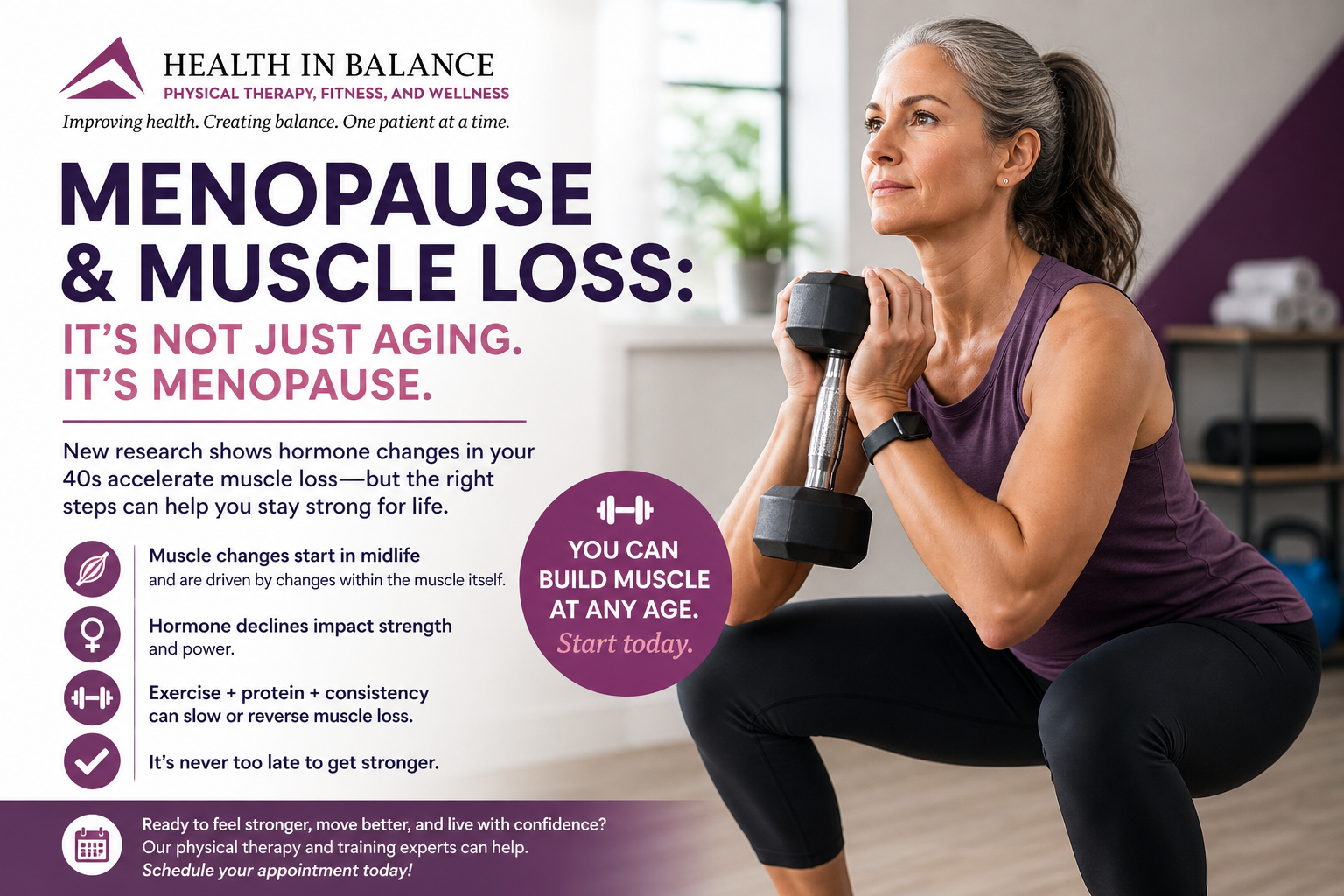
Muscle Loss After 40: The Hidden Impact of Menopause
We’ve long been told that muscle loss, also known as sarcopenia, is a natural part of aging. But new evidence shows that menopause and muscle loss are closely linked, and the process starts much earlier than we thought.
A landmark study published in The Journal of Physiology followed women ages 18 to 80, measuring muscle tissue, hormone levels, and physical performance. The results back up what many women have noticed: A sharp decline in strength begins in your 40s when hormone changes speed up muscle loss.

Supporting Brain Health and Heart Health Through Cardiovascular Exercise
Why Cardiovascular Exercise Matters for Older Adults
As we age, activity levels often decline due to joint pain, balance concerns, medical conditions, or seasonal limitations such as cold weather. Reduced activity can lead to decreased endurance, increased fatigue, and reduced confidence with movement.
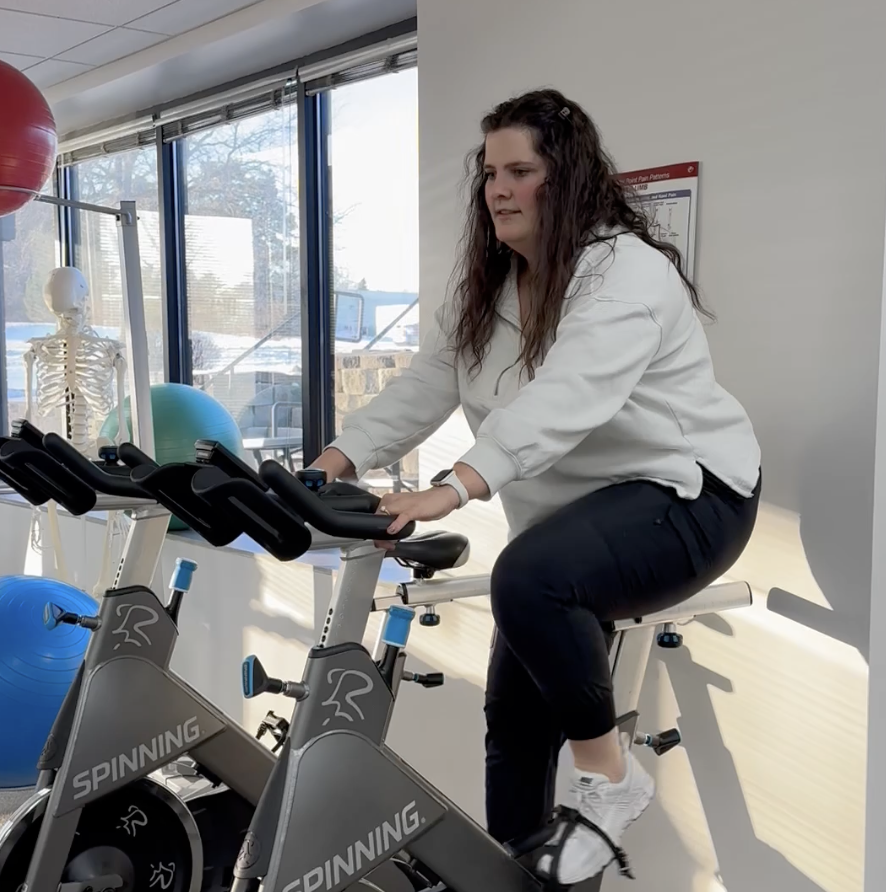
Improving Cardiovascular Endurance Through Aerobic Exercise and Strength Training
Cardiovascular endurance refers to the body’s ability to deliver oxygen efficiently to working muscles during sustained activity. Improving cardiovascular endurance supports heart health, increases energy levels, enhances daily function, and reduces fatigue during both exercise and everyday activities. A well-rounded approach that included aerobic exercise and strength training is key to safely and effectively improving cardiovascular fitness.