

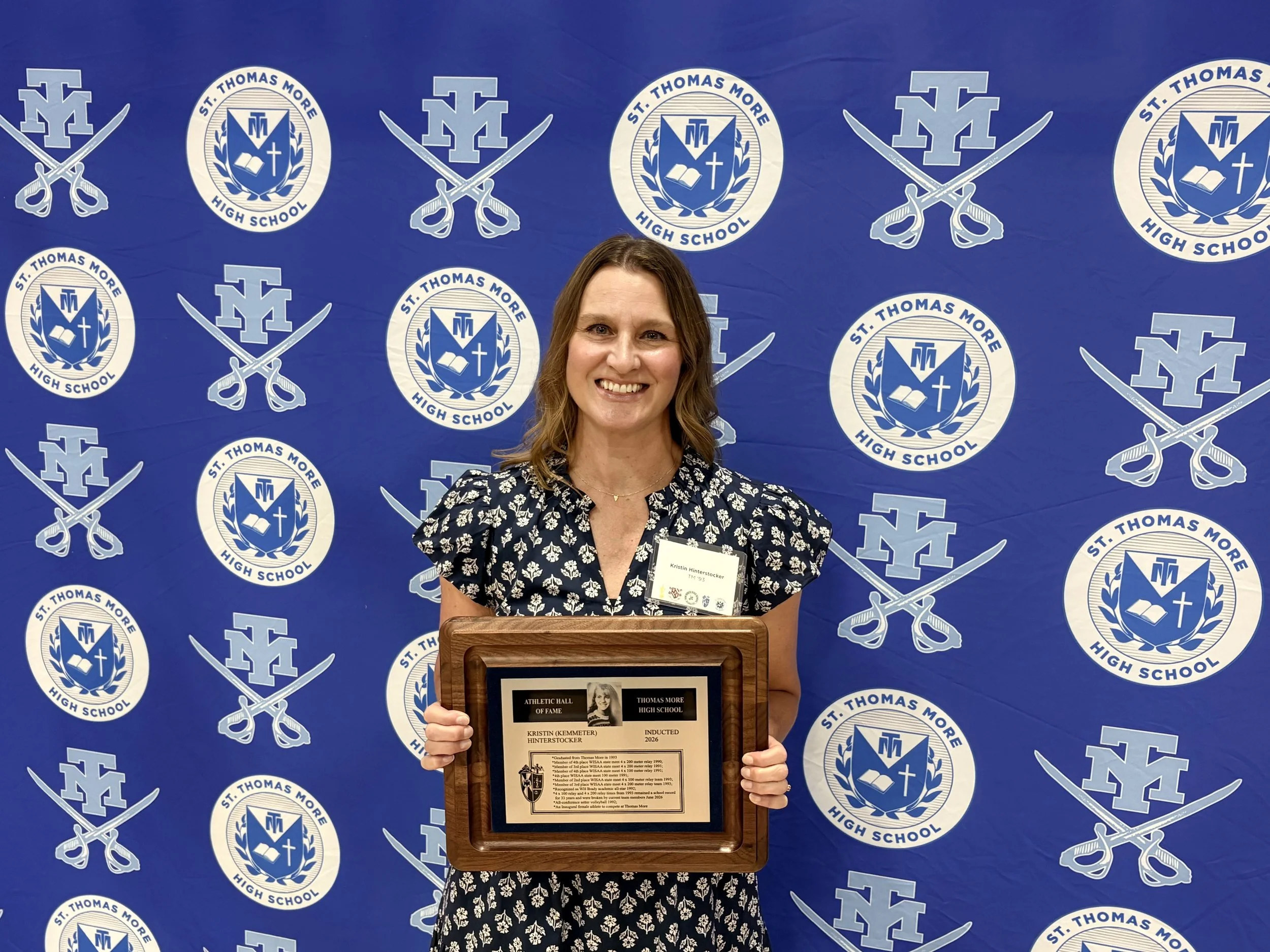
Healthspan: Kristin’s Take on Maintaining Health
Following the recent induction into my high school athletic Hall of Fame, I have been reminiscing on what I “used to” be able to do. I had played volleyball, basketball, and ran track in high school and played volleyball in college and beyond. I “used to” be able to do a whole lot! The mere thought of what my days “used to” look like from an activity standpoint has me snoozing on the couch by 9 pm decades later. I am still quite active, but I have had to modify many things to minimize injury (which would set me back weeks, if not months), while still keeping my muscles, bones, and heart strong and resilient; my balance agile; and my brain engaged. Sounds exhausting, right? With a personal goal of aging as well as I possibly can, I know that continuing to move with purpose has a lot to do with what my future self will be able to do and accomplish.
Top Tips for Preventing Falls Inside Your Home
September is National Fall Prevention Month, and improving your balance isn’t the only way to prevent falls. The majority of times people fall, they fall inside their own house. Here are our top tips for preventing falls inside your home.

The Power of Early Physical Therapy Intervention
Early pediatric physical therapy can help children build strength, coordination, and healthy movement patterns. Learn how early intervention supports motor development, developmental delays, torticollis, plagiocephaly, and more.

Understanding Developmental Delays
Developmental delays occur when a child is not meeting expected milestones in areas such as motor skills, speech, social interaction, or problem‑solving. A delay does not mean a child won’t catch up—rather, it signals that they may benefit from early, targeted support to build the skills they need for everyday life.

Back to Sleep: Safe Sleep Guidelines for Your Baby
The Back to Sleep program (also known as Safe to Sleep) is a national initiative that teaches families how to reduce the risk of Sudden Infant Death Syndrome (SIDS) and promote safe sleep habits. The core message is simple:
Always place your baby on their back to sleep—for naps and nighttime.
This position keeps your baby’s airway clear and reduces risks associated with stomach or side sleeping.

What Is Asymmetrical Development?
Asymmetrical development occurs when a baby consistently favors one side of their body during movement or play. While brief asymmetry can be part of normal development, persistent patterns may affect motor skills, comfort, and head shape.
Common signs include:
Head turning preference
Uneven arm or leg use
Rolling only one direction
Reaching more with one hand
Crawling with an uneven pattern
Flattening on one side of the head
Difficulty with tummy time or transitions
These patterns often reflect underlying differences in strength, flexibility, or sensory‑motor processing.

Plagiocephaly in Babies: How Pediatric PT Helps—and When to Consider a Helmet
Plagiocephaly is common, treatable, and nothing to feel guilty about. Early PT helps babies move more symmetrically, strengthens their neck and core, and often reduces the need for a helmet altogether.
And if a helmet is recommended, it’s simply another tool—not a failure, not a setback, and not a reflection of anything you did wrong.
As pediatric PTs, our job is to guide you through the process, support your baby’s development, and help you make informed decisions with confidence.
If you’re noticing a flat spot or have questions about your baby’s head shape, trust your instincts and reach out early. The sooner we start, the easier the journey becomes.

Torticollis in Babies: Why Early Intervention Makes All the Difference
As a pediatric physical therapist, I meet many families who first notice something “just a little off” about their baby’s head position. Maybe their baby always looks to one side. Maybe tummy time feels impossible. Maybe photos show a slight head tilt. These early signs often point to torticollis, a very common condition—and one that responds beautifully to early intervention.
The good news is simple: with timely support, most babies make rapid, meaningful progress.

Why Balance Declines with Age
September is National Fall Prevention Month, so it’s a great time to talk about something we see often in physical therapy: changes in balance.
Maybe you’ve noticed you’re a little less steady getting out of a chair. Maybe you hold onto the railing when you didn’t used to, or you’re more cautious walking on uneven sidewalks. Sometimes these changes happen so gradually that we don’t even notice them until something makes us feel unsteady.
So, why does balance tend to change as we get older?
Fall Athlete Injury Prevention: Stay Healthy All Season Long
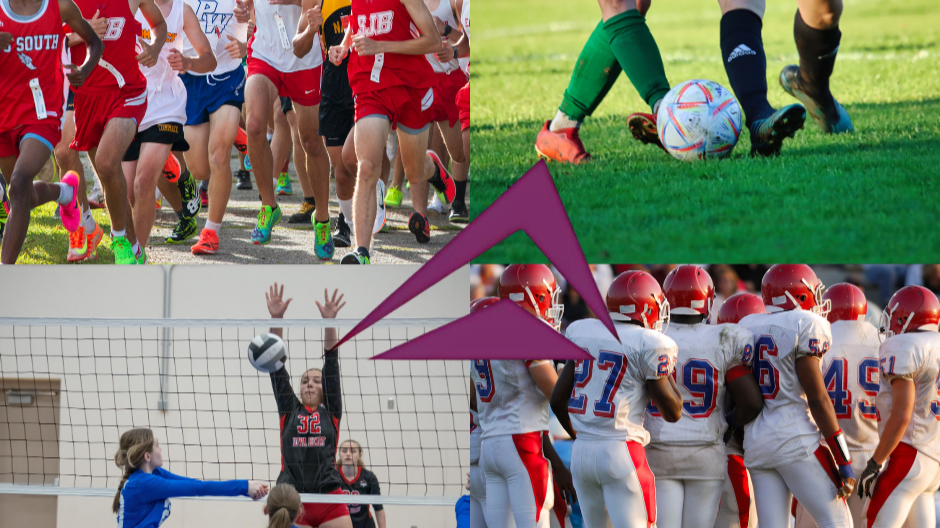
Fall sports are officially back, which means athletes of all ages are getting back into practices, games, and competition. Whether you're playing football, soccer, volleyball, cross country, or another fall sport, the excitement of a new season can sometimes make it easy to forget one important thing: your body needs time to prepare, too.
Many sports injuries can be prevented by taking a few simple steps before and during the season. Here are some ways athletes can stay healthy, strong, and ready to compete.

Cottage Cheese Oat Pancakes
These easy Cottage Cheese Oat Pancakes are a simple, protein-packed breakfast made with cottage cheese, oats, egg, vanilla, and baking powder. With approximately 27 grams of protein per batch, this healthy pancake recipe is filling, delicious, and easy to make in just minutes.

Back-to-School Season and Concussions: What You Should Know
August means back-to-school season, and for many students, it also means the start of fall sports. As athletes return to practices and games, it's a great time to talk about concussion awareness and recovery.

Why Injuries Spike During Summer Weekends
Summer has a way of packing an entire week's worth of activity into just two days. After spending Monday through Friday at work, many people head into the weekend ready to golf 18 holes, kayak, play in a pickleball tournament, landscape the yard, coach youth sports, or tackle a long list of home projects. While staying active is one of the best things you can do for your health, cramming hours of physical activity into a short period can leave your body struggling to keep up.

Hydration is Important. But why?
“Hydration is important.” It’s something we’ve all heard many times. But what does that actually mean?
The amount of water in your body affects so many different things: blood pressure, muscle cramping, and even joint pain, to name a few.
Are You Warming Up Properly for Your Summer Activities?
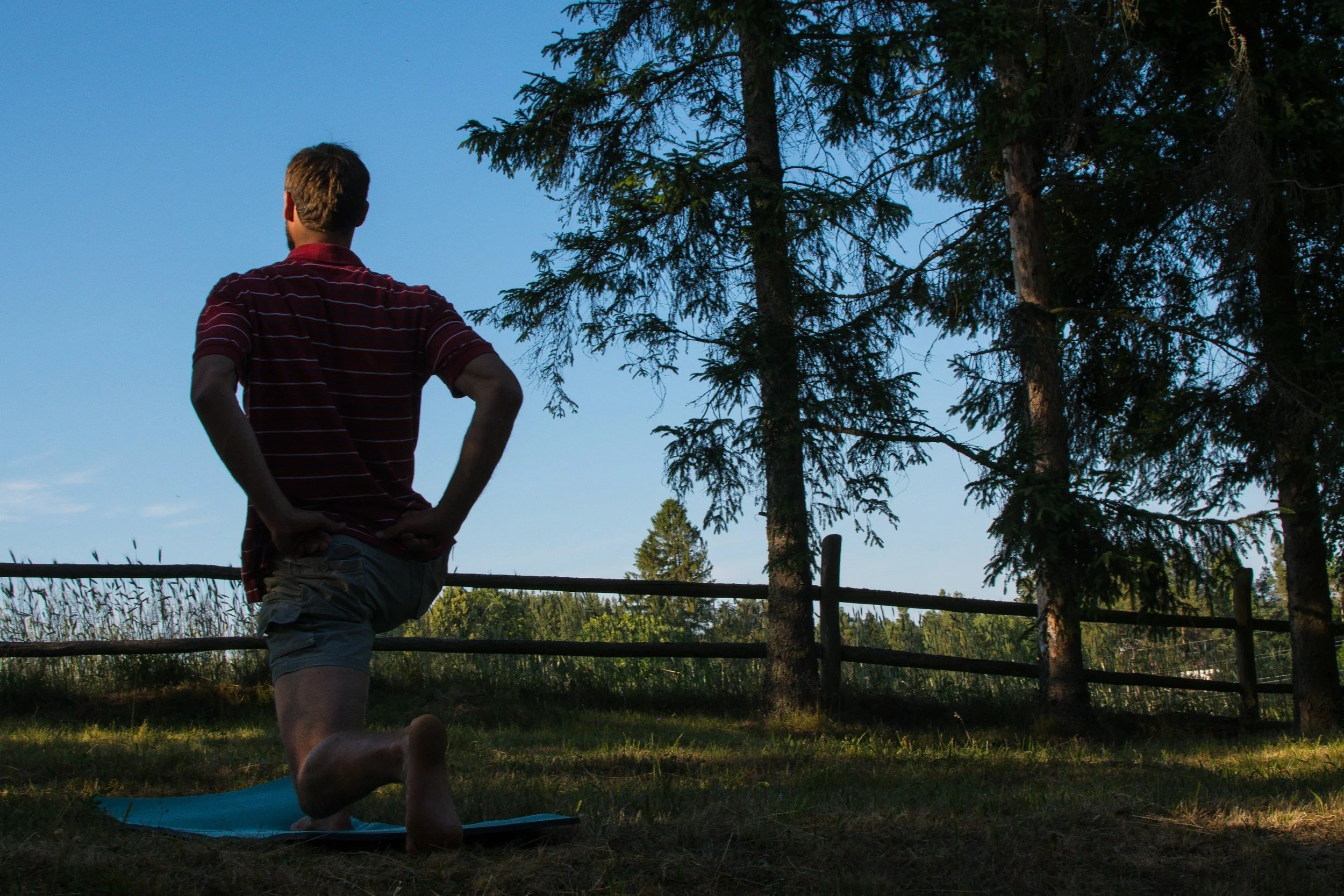
Summer is finally here, and with it comes longer days, warmer weather, and plenty of opportunities to get outside and move. Whether you're spending your mornings on the golf course, joining a pickleball league, or tackling a long list of gardening projects, your body may not be as ready for activity as your mind is.
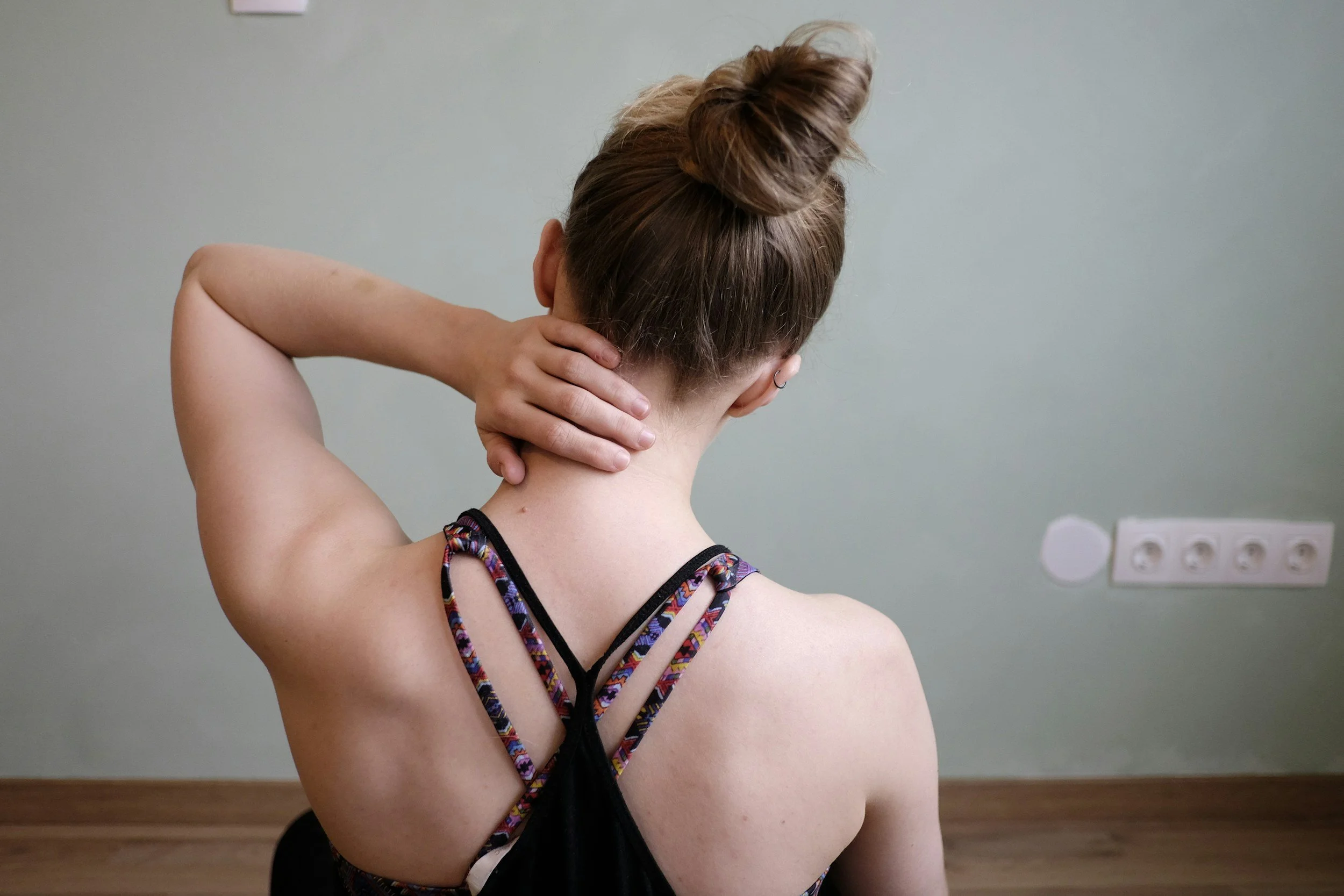
Why Shoulder & Neck Pain Flare Up This Time of Year
Your neck and shoulders work to stabilize your upper body during nearly everything you do. When those muscles become overloaded, tight, or weak, pain and stiffness can show up quickly.
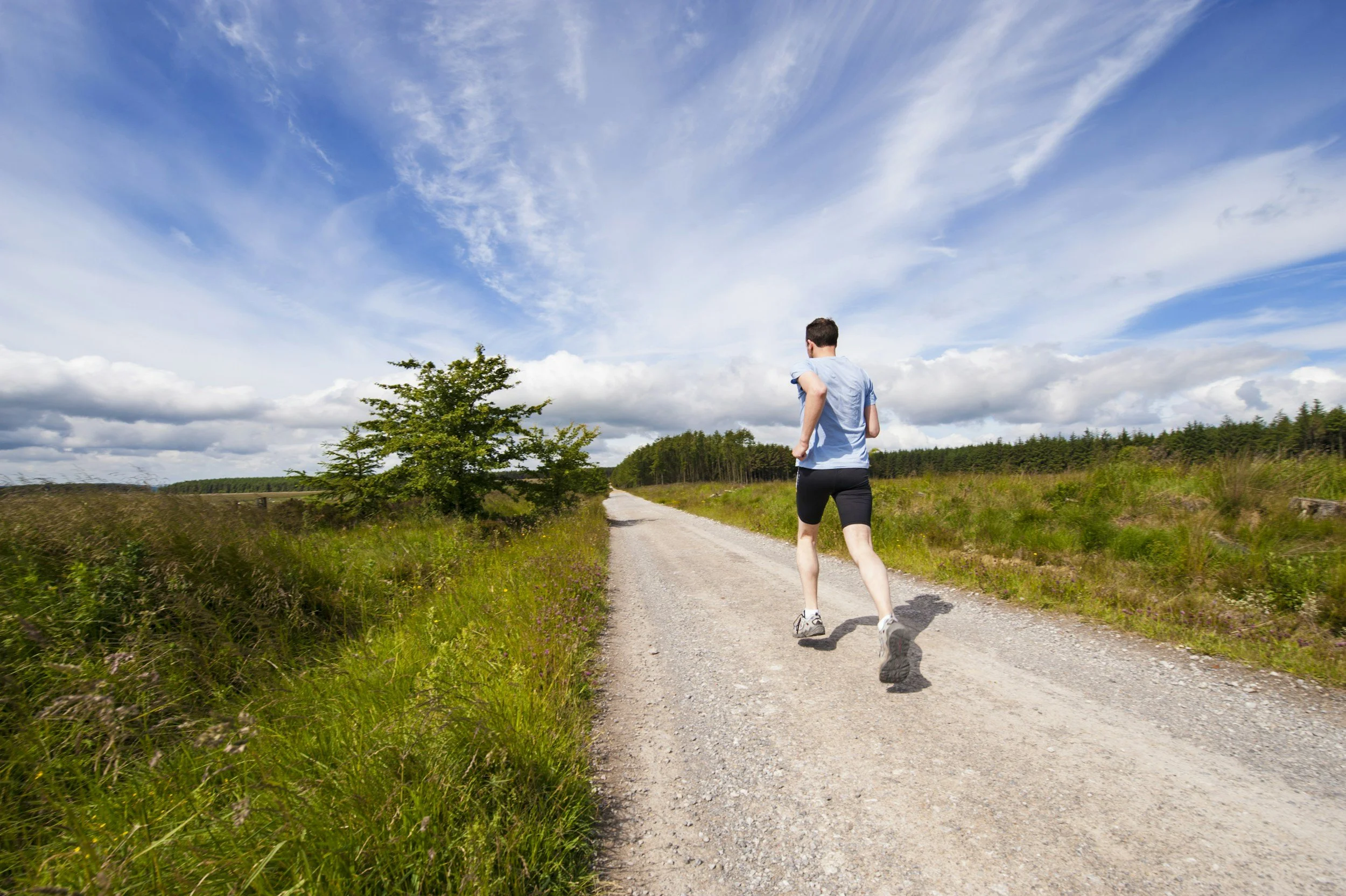
Why Men Tend to Wait Too Long to Seek Treatment, and What It Costs Them
There is a reason the “push through it” mentality is so common, and it goes beyond personality. Studies have shown that from an early age, men are directly and indirectly influenced to equate needing help with weakness. You play hurt. You shake it off. You figure it out yourself. Add to that a genuine drive to keep providing, keep showing up, keep being reliable for the people who expend on you, and suddenly ignoring a bad knee or a nagging shoulder starts to feel less like neglect and more like a responsibility. “I can’t afford to slow down right now” is one of the most common things we hear.
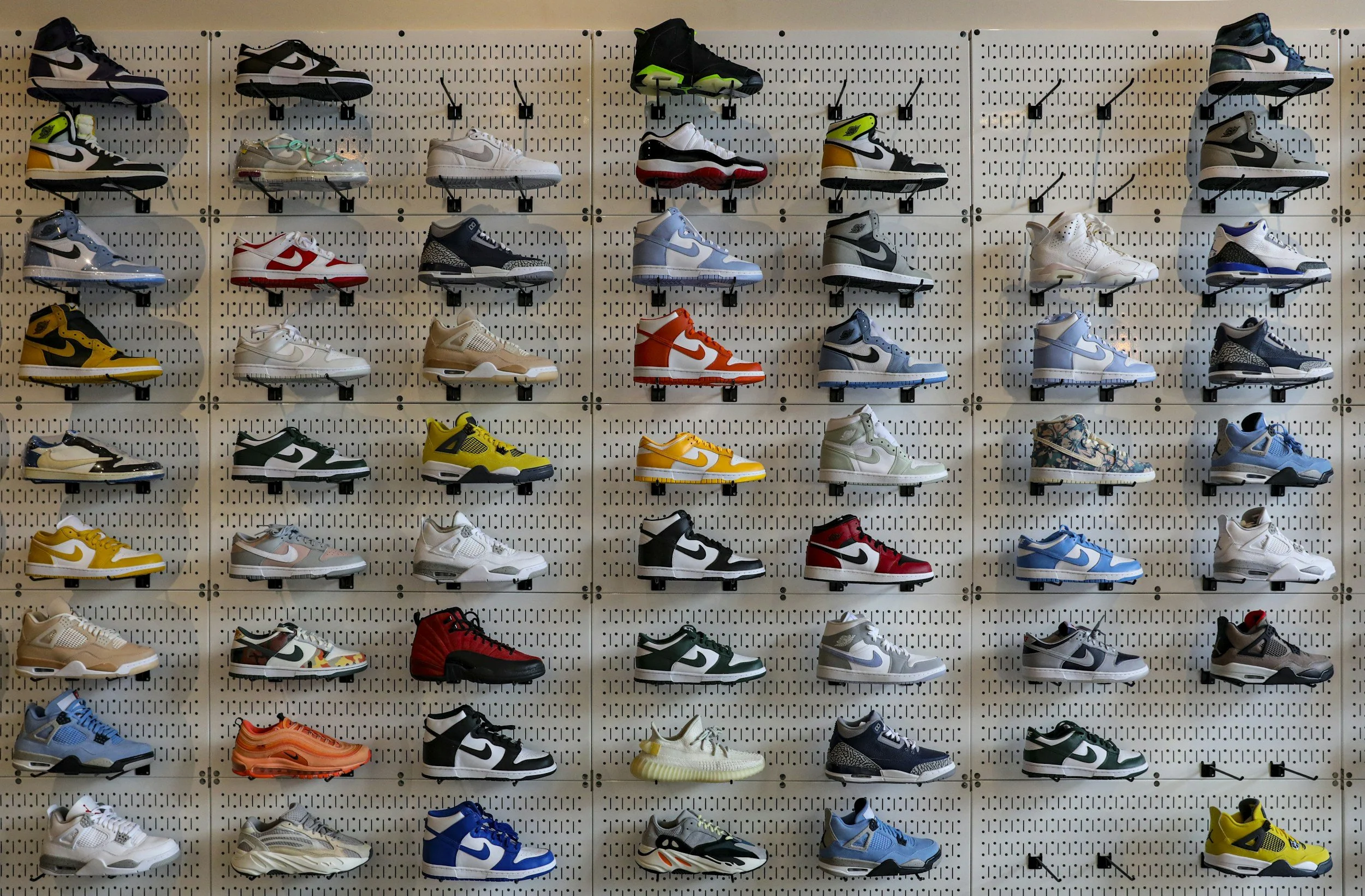
PT Pro Tip: How to Choose the Right Shoes for YOUR Body
Walk into any shoe store, or scroll online, and you’ll see countless options claiming to be the “best.” But here’s the truth we reinforce with patients every day: the best shoe isn’t about the brand, trend, or price point. It’s about how well it matches your body and how you move.

Why Running Injuries Increase Every Spring
Every spring, sidewalks fill up, local trails get busy again, and runners everywhere lace up with fresh motivation. Warmer weather, longer days, and race season excitement make it the perfect time to get moving again. But at Health in Balance Physical Therapy, spring also marks one of the biggest increases in running-related injuries we see all year.
After a long winter of reduced activity, many people jump back into running too quickly. Even runners who stayed somewhat active during colder months often lose conditioning, mobility, and strength in the muscles that support efficient movement. When mileage suddenly increases, the body may not be ready to handle the impact and repetitive stress that running demands.
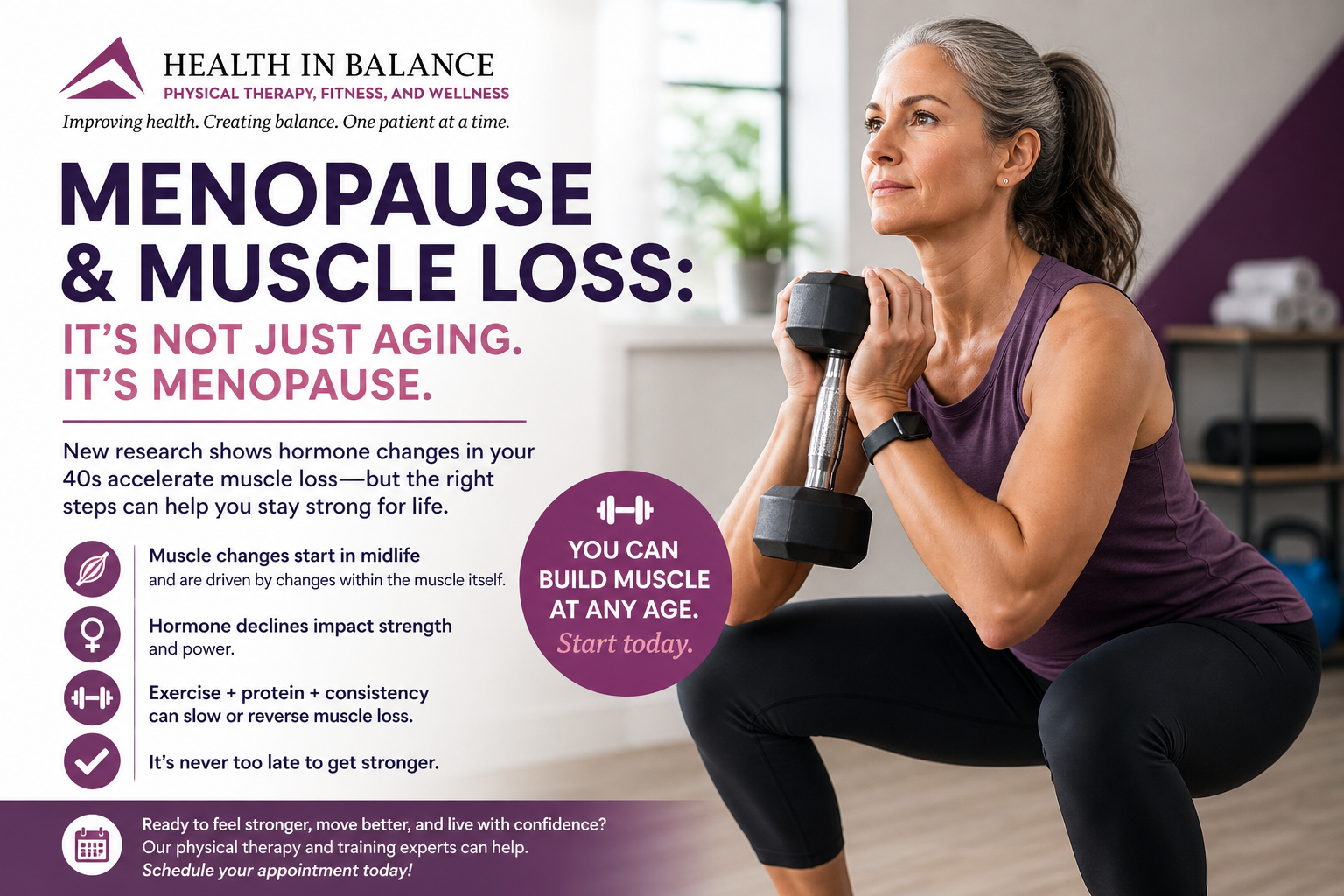
Muscle Loss After 40: The Hidden Impact of Menopause
We’ve long been told that muscle loss, also known as sarcopenia, is a natural part of aging. But new evidence shows that menopause and muscle loss are closely linked, and the process starts much earlier than we thought.
A landmark study published in The Journal of Physiology followed women ages 18 to 80, measuring muscle tissue, hormone levels, and physical performance. The results back up what many women have noticed: A sharp decline in strength begins in your 40s when hormone changes speed up muscle loss.