

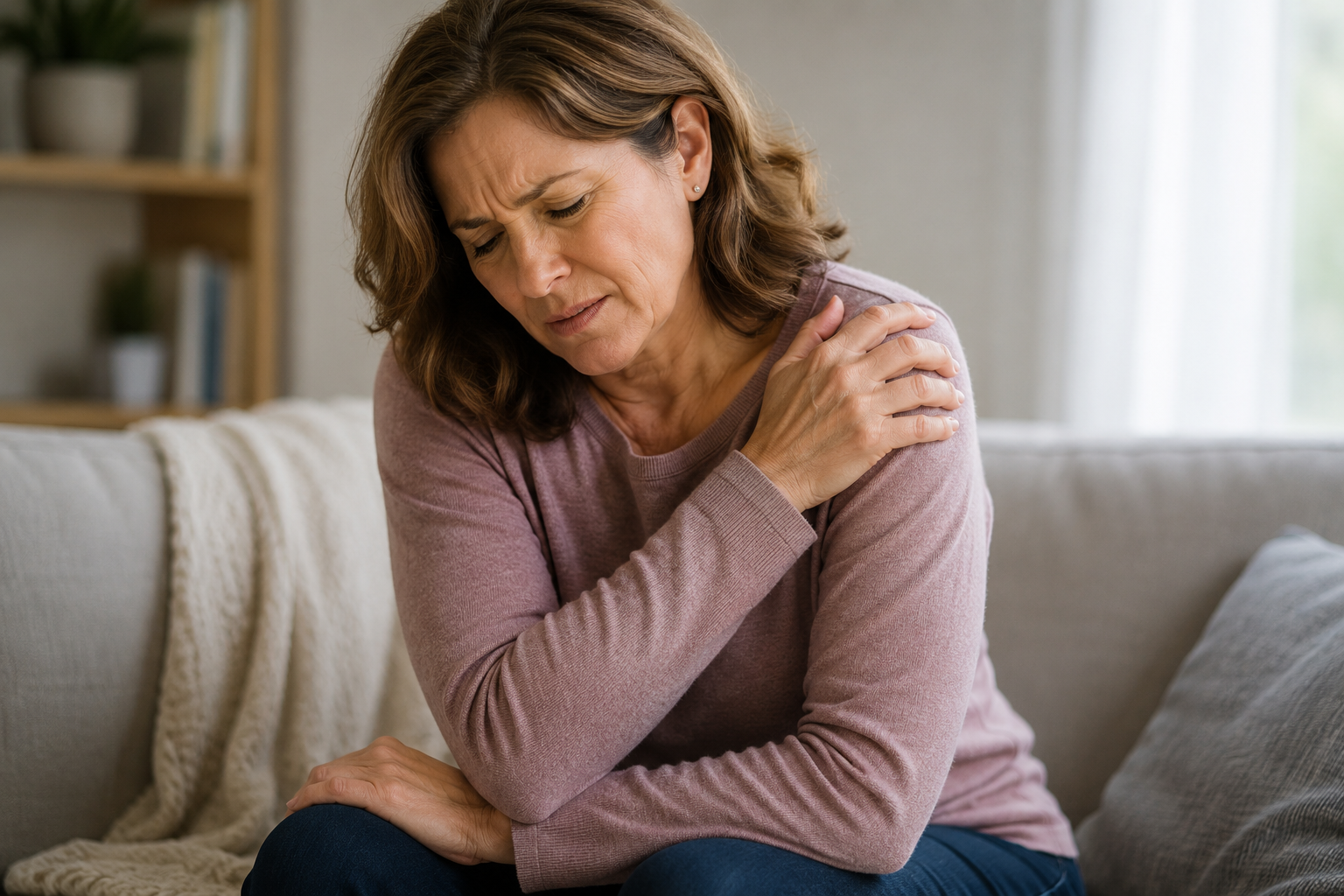
Menopause & Joint Pain: Why Your Body Feels Different
Changes to bone and muscle health aren't talked about as widely as other menopause symptoms, yet about 71% of all women will experience menopause-related symptoms in their bones and muscles. The signs and symptoms range from decreased flexibility and muscle weakness to joint pain to more severe problems, such as adhesive capsulitis (more commonly known as frozen shoulder), that can cause severe pain and difficulty with movement.

Supporting Brain Health and Heart Health Through Cardiovascular Exercise
Why Cardiovascular Exercise Matters for Older Adults
As we age, activity levels often decline due to joint pain, balance concerns, medical conditions, or seasonal limitations such as cold weather. Reduced activity can lead to decreased endurance, increased fatigue, and reduced confidence with movement.
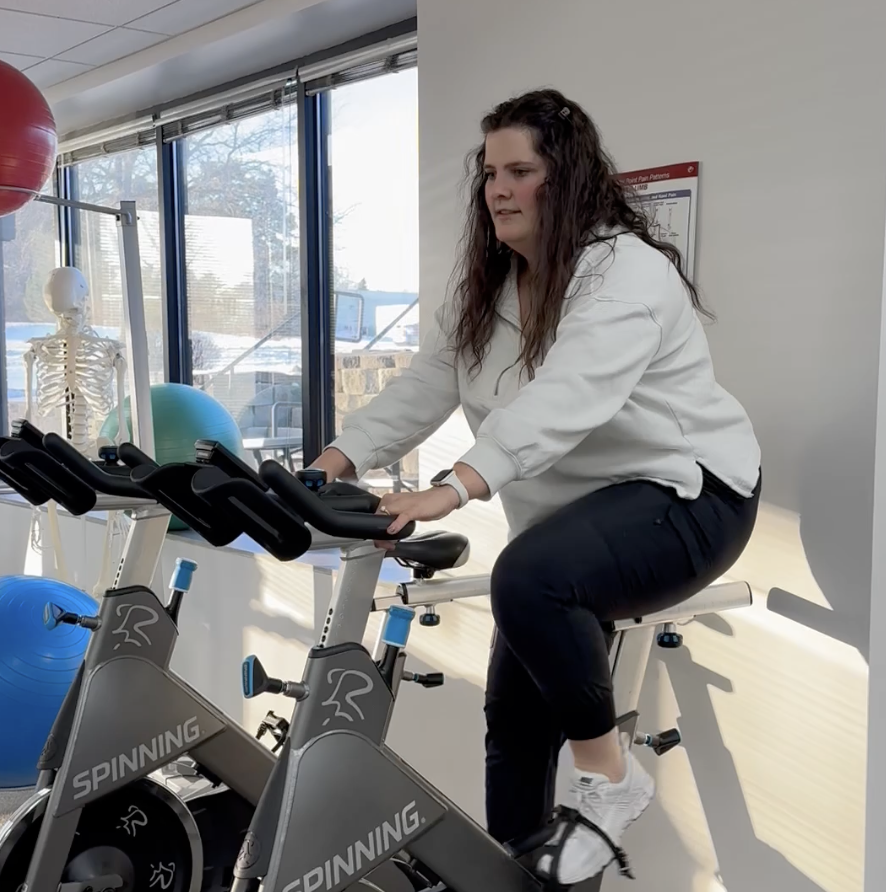
Improving Cardiovascular Endurance Through Aerobic Exercise and Strength Training
Cardiovascular endurance refers to the body’s ability to deliver oxygen efficiently to working muscles during sustained activity. Improving cardiovascular endurance supports heart health, increases energy levels, enhances daily function, and reduces fatigue during both exercise and everyday activities. A well-rounded approach that included aerobic exercise and strength training is key to safely and effectively improving cardiovascular fitness.