

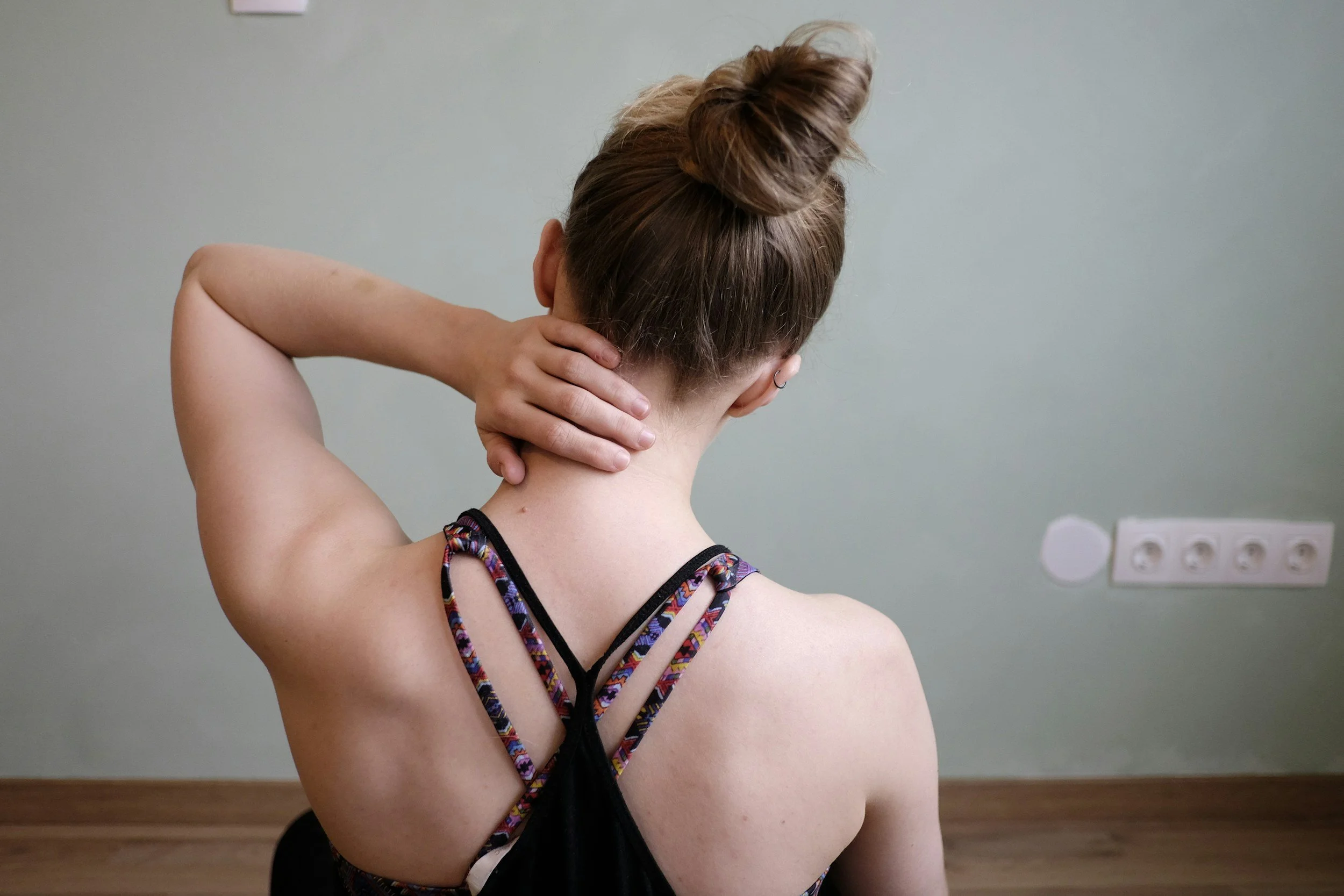
Why Shoulder & Neck Pain Flare Up This Time of Year
Your neck and shoulders work to stabilize your upper body during nearly everything you do. When those muscles become overloaded, tight, or weak, pain and stiffness can show up quickly.

Why Men Tend to Wait Too Long to Seek Treatment, and What It Costs Them
There is a reason the “push through it” mentality is so common, and it goes beyond personality. Studies have shown that from an early age, men are directly and indirectly influenced to equate needing help with weakness. You play hurt. You shake it off. You figure it out yourself. Add to that a genuine drive to keep providing, keep showing up, keep being reliable for the people who expend on you, and suddenly ignoring a bad knee or a nagging shoulder starts to feel less like neglect and more like a responsibility. “I can’t afford to slow down right now” is one of the most common things we hear.

PT Pro Tip: How to Choose the Right Shoes for YOUR Body
Walk into any shoe store, or scroll online, and you’ll see countless options claiming to be the “best.” But here’s the truth we reinforce with patients every day: the best shoe isn’t about the brand, trend, or price point. It’s about how well it matches your body and how you move.

Why Running Injuries Increase Every Spring
Every spring, sidewalks fill up, local trails get busy again, and runners everywhere lace up with fresh motivation. Warmer weather, longer days, and race season excitement make it the perfect time to get moving again. But at Health in Balance Physical Therapy, spring also marks one of the biggest increases in running-related injuries we see all year.
After a long winter of reduced activity, many people jump back into running too quickly. Even runners who stayed somewhat active during colder months often lose conditioning, mobility, and strength in the muscles that support efficient movement. When mileage suddenly increases, the body may not be ready to handle the impact and repetitive stress that running demands.
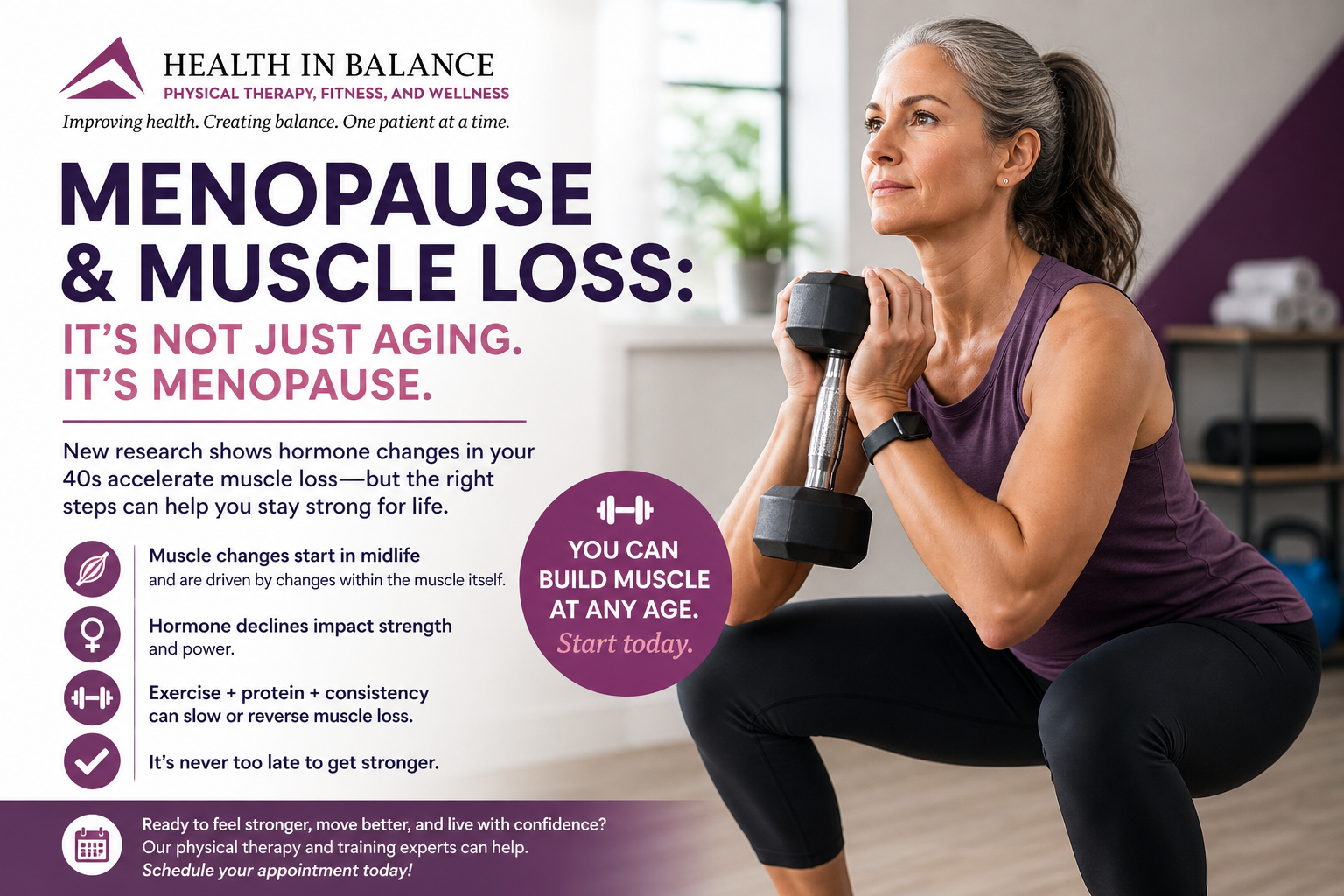
Muscle Loss After 40: The Hidden Impact of Menopause
We’ve long been told that muscle loss, also known as sarcopenia, is a natural part of aging. But new evidence shows that menopause and muscle loss are closely linked, and the process starts much earlier than we thought.
A landmark study published in The Journal of Physiology followed women ages 18 to 80, measuring muscle tissue, hormone levels, and physical performance. The results back up what many women have noticed: A sharp decline in strength begins in your 40s when hormone changes speed up muscle loss.

Menopause & Joint Pain: Why Your Body Feels Different
Changes to bone and muscle health aren't talked about as widely as other menopause symptoms, yet about 71% of all women will experience menopause-related symptoms in their bones and muscles. The signs and symptoms range from decreased flexibility and muscle weakness to joint pain to more severe problems, such as adhesive capsulitis (more commonly known as frozen shoulder), that can cause severe pain and difficulty with movement.

Women Over 40 Experience Pain Differently, and is Often Misunderstood
What we consistently see is that these issues are less about wear and tear and more about how the body is adapting to life’s demands. For example, hip pain is often influenced by weakness or reduced control in surrounding muscles rather than a problem isolated to the hip itself. Knee pain frequently reflects how well the hips and core are supporting movement. Neck and shoulder tension often builds from long-term posture and stress patterns, not a single injury or moment of strain. Meaning, symptoms are hardly ever localized to just the aching area!
Breaking Barriers to Care: Why Direct Access to Physical Therapy Matters
Direct access allows you to see a physical therapist as your first point of contact. That means if you’re dealing with pain, an injury, or just not moving the way you used to, you can come straight to PT with no extra steps, no unnecessary delays.
From both my clinical experience and what the American Physical Therapy Association highlighted in its December 2025 report, earlier access to physical therapy leads to better outcomes. When we can address issues sooner, we often prevent them from becoming more complex, more painful, and more costly to treat. Which means you are more likely to have less pain overall, and a quicker road to recovery; discharge outcomes are significantly improved as well.

PT for Future Me: APTA’s Newest Campaign
Most people wait until something really hurts to come in. But what we see all the time is that pain isn’t the beginning, it’s the tipping point. Small issues build over time, your body compensates, and eventually it asks for your attention. The attention in question often manifests as pain.

Supporting Brain Health and Heart Health Through Cardiovascular Exercise
Why Cardiovascular Exercise Matters for Older Adults
As we age, activity levels often decline due to joint pain, balance concerns, medical conditions, or seasonal limitations such as cold weather. Reduced activity can lead to decreased endurance, increased fatigue, and reduced confidence with movement.
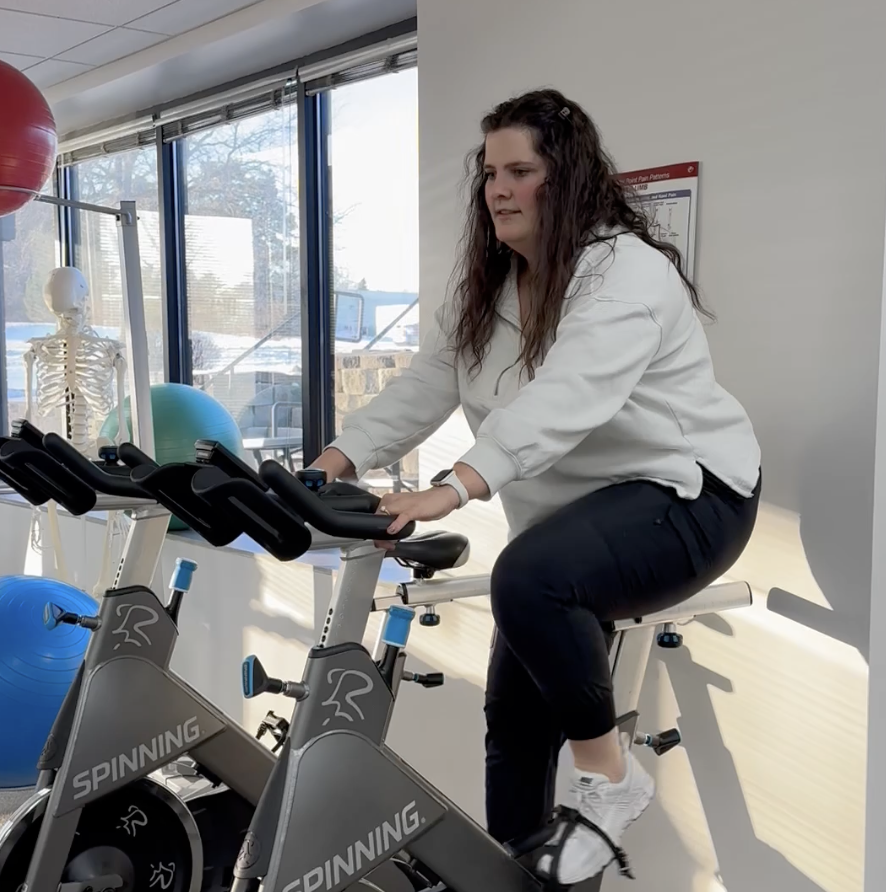
Improving Cardiovascular Endurance Through Aerobic Exercise and Strength Training
Cardiovascular endurance refers to the body’s ability to deliver oxygen efficiently to working muscles during sustained activity. Improving cardiovascular endurance supports heart health, increases energy levels, enhances daily function, and reduces fatigue during both exercise and everyday activities. A well-rounded approach that included aerobic exercise and strength training is key to safely and effectively improving cardiovascular fitness.

🔍 What is Vertigo?
Vertigo is a general term used to describe the sensation of dizziness, but it’s more than just feeling lightheaded — it's often described as a spinning sensation, as if the room is moving around you. There are many causes of dizziness, but one of the most common is Benign Paroxysmal Positional Vertigo, or BPPV.
There are specific, gentle movements and maneuvers — such as the Epley maneuver — that trained physical therapists can perform to guide the displaced crystals back into the utricle, where they belong. Once repositioned, the body can reabsorb the crystals naturally, providing fast relief — sometimes in just one session.