

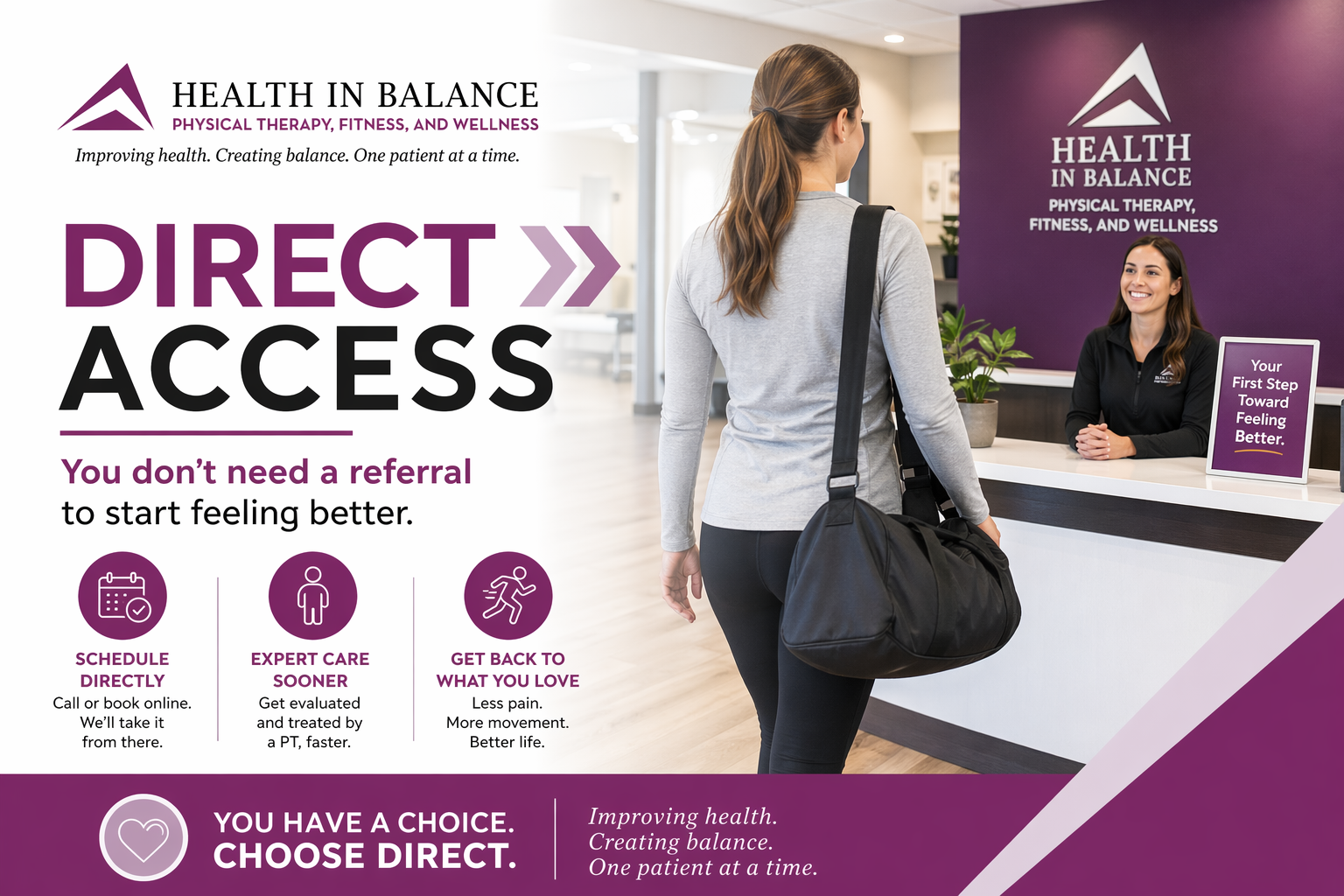
Breaking Barriers to Care: Why Direct Access to Physical Therapy Matters
Direct access allows you to see a physical therapist as your first point of contact. That means if you’re dealing with pain, an injury, or just not moving the way you used to, you can come straight to PT with no extra steps, no unnecessary delays.
From both my clinical experience and what the American Physical Therapy Association highlighted in its December 2025 report, earlier access to physical therapy leads to better outcomes. When we can address issues sooner, we often prevent them from becoming more complex, more painful, and more costly to treat. Which means you are more likely to have less pain overall, and a quicker road to recovery; discharge outcomes are significantly improved as well.

PT for Future Me: APTA’s Newest Campaign
Most people wait until something really hurts to come in. But what we see all the time is that pain isn’t the beginning, it’s the tipping point. Small issues build over time, your body compensates, and eventually it asks for your attention. The attention in question often manifests as pain.
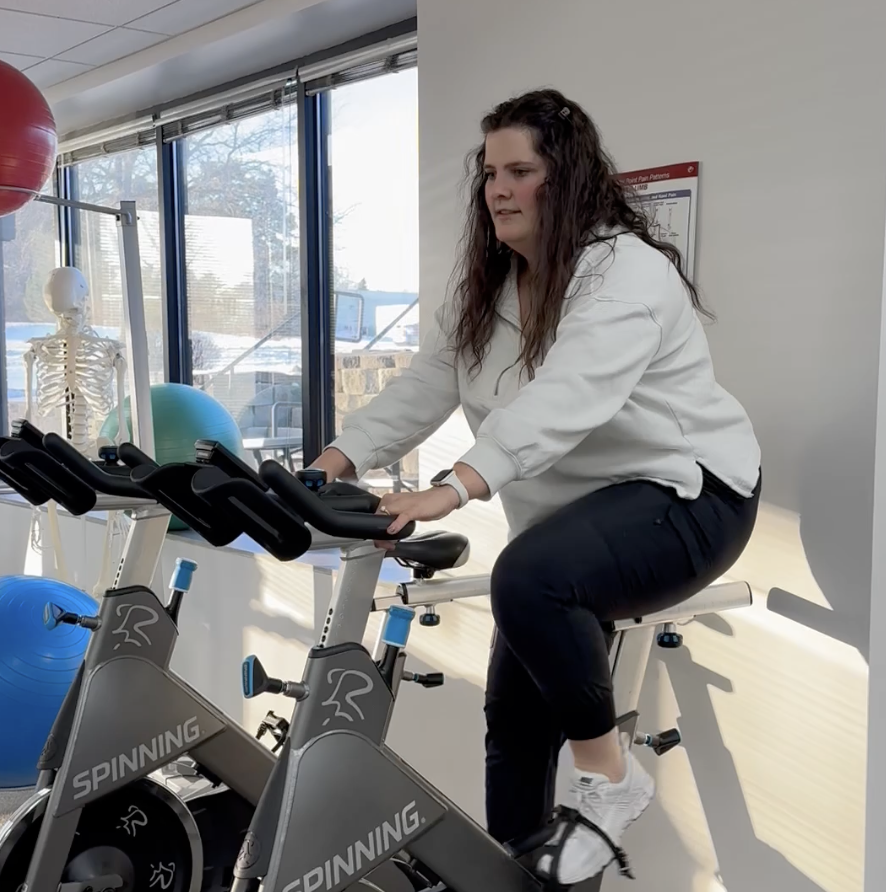
Improving Cardiovascular Endurance Through Aerobic Exercise and Strength Training
Cardiovascular endurance refers to the body’s ability to deliver oxygen efficiently to working muscles during sustained activity. Improving cardiovascular endurance supports heart health, increases energy levels, enhances daily function, and reduces fatigue during both exercise and everyday activities. A well-rounded approach that included aerobic exercise and strength training is key to safely and effectively improving cardiovascular fitness.