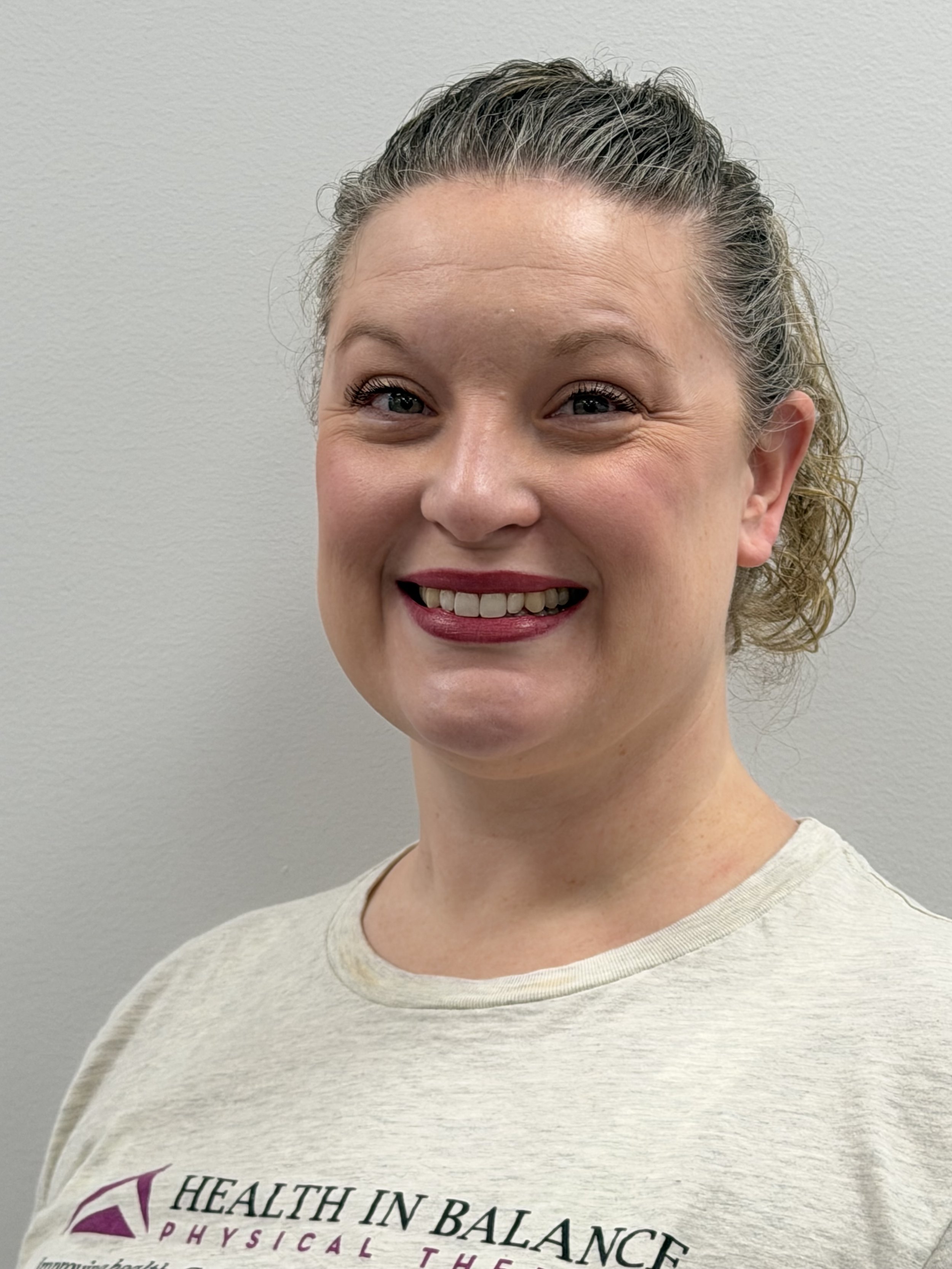
As a pediatric physical therapist, I meet many families who first notice something “just a little off” about their baby’s head position. Maybe their baby always looks to one side. Maybe tummy time feels impossible. Maybe photos show a slight head tilt. These early signs often point to torticollis, a very common condition—and one that responds beautifully to early intervention.
The good news is simple: with timely support, most babies make rapid, meaningful progress.
What Is Torticollis?
Torticollis occurs when a baby has tightness or imbalance in the muscles of the neck—most commonly the sternocleidomastoid (SCM). This can cause:
A consistent head tilt
Preference to look in one direction
Difficulty turning the head fully
Flattening on one side of the head (plagiocephaly)
Challenges with tummy time or early motor milestones
It can be present at birth (congenital torticollis) or develop in the first few months of life.
Why Early Intervention Matters
1. Babies learn movement patterns quickly
In the first months of life, babies are building the foundation for rolling, sitting, crawling, and eventually walking. If they consistently look or tilt one way, their bodies adapt around that pattern. Early PT helps reset those patterns before they become habits.
2. Muscles respond best when treated early
Younger infants have softer tissues, faster growth, and more neuroplasticity. This means:
Stretching is easier
Strengthening happens faster
Symmetry returns more naturally
Starting therapy early often leads to quicker results and fewer long‑term concerns.
3. Early treatment reduces the risk of plagiocephaly
A baby who always looks one way may develop flattening on the back or side of the head. Addressing torticollis early helps prevent or reduce this.
4. Parents gain confidence and clarity
Early PT gives families the tools they need—simple daily stretches, positioning strategies, and play‑based activities that fit naturally into routines.
What Pediatric PT Looks Like for Torticollis
Therapy is gentle, playful, and tailored to each baby’s needs. A typical plan may include:
Stretching tight muscles through comfortable, supported positions
Strengthening weaker muscles to restore balance
Tummy time strategies that make it easier and more enjoyable
Positioning guidance for feeding, sleeping, and play
Motor development support to ensure milestones stay on track
Parent coaching so progress continues at home
Sessions often look like guided play—because babies learn best through movement, exploration, and connection.
What Parents Can Do at Home
Small daily habits make a big difference. I often coach families to:
Alternate feeding sides
Position toys and caregivers on the non‑preferred side
Use tummy time in short, frequent bursts
Encourage reaching, rolling, and looking in both directions
Limit prolonged time in containers (swings, car seats, bouncers)
Consistency—not perfection—is what drives progress.
When to Seek Help
Reach out to a pediatric PT or your pediatrician if you notice:
A persistent head tilt
Your baby always looks to one side
Difficulty with tummy time
Flattening on one side of the head
Delays in early motor skills
Early evaluation is simple, gentle, and incredibly effective.
The Bottom Line
Torticollis is common, treatable, and highly responsive to early intervention. With the right support, babies quickly gain the strength, symmetry, and confidence they need to explore their world.
As pediatric PTs, our goal is to empower families, guide development, and make therapy feel like a natural part of your baby’s day. If you have concerns—even small ones—trust your instincts. Early action leads to the best outcomes.